The idea has been living in your head long enough. It carries a quiet weight, costing you not just time and money, but energy too. I build the systems that turn it into something real in the world.
Good systems don’t create more work. They quietly remove it. The spreadsheet that eats your Friday afternoon. The report you rebuild by hand every month. The process nobody questions because “that’s just how we do it.” Those are usually not small annoyances. They are expensive bottlenecks standing between you and the work that actually grows the business.
If the same task keeps showing up every week, it may not need more discipline. It may need a system.
When information lives in five places, people stop trusting the process. A better system makes the truth easier to see.
Manual work doesn’t just slow you down. It keeps you from the conversations, strategy, and creative work that actually grow the business.
Every build started with a frustration someone had accepted as “just the way things are.” The tools changed. The pattern did not: find the friction, make it clearer, build a better way.
A realtor knew they were great at what they did, but their online presence wasn’t earning trust before the first conversation. I built a visibility audit that reviews how they show up online and shows exactly where trust, clarity, and commissions are slipping through the cracks.
A group of Spanish-speaking children wanted to practice English, but a live teacher wasn’t always available to help. I built an AI-supported tutor that gave them a simple, accessible way to practice on their own time, so their progress didn’t depend on someone else’s schedule.
After mentoring more than 100 crypto students, I saw how often people understood the basics but still lacked the confidence to move forward. I had also noticed a recurring market pattern in my own trading, so I spent 18 months turning it into a crypto advisory app that helps users review potential setups, understand the risk, and decide whether to act with more clarity.
Before launching a new DeFi protocol, our team needed to test whether its trade logic still made sense after real-world costs. I built a tool that compares trade routes, reveals where costs appear, and shows when trade size changes the economics, so the team can validate its assumptions before launch.
Members of a savings circle had no way to verify their own contributions, which made it easy for leaders to change numbers, hide transactions, or steal money. I’m building a digital tool that shows contributions, loans, payments, and balances, so every member can see the truth for themselves instead of taking someone’s word for it. This is a tool for communities where informal savings groups fill the gap formal banks don’t reach.
An analyst was spending more than four hours researching 4,500 cryptocurrency prices by hand, every single time pricing needed a refresh. I built a one-click workflow that gave those hours back.
Real systems. Real places. Real lives.
Bali, Indonesia
Whether you need clarity, one focused build, or a larger system, the process starts by understanding what is wasting your time and what needs to exist instead.
You do not need to bring me a polished plan. Bring me the messy version, the half-formed idea, or the process everyone has learned to work around. We will figure out what is actually broken before anything gets built.
For the idea that needs a clear map before anything gets built. You bring the problem. I define the build.
For one painful bottleneck that needs to become a working tool. One problem. One useful system. No scope creep.
For larger systems with more moving parts: connected workflows, dashboards, databases, AI-supported processes, and internal tools.
The Five-Step Build Process. Before anything gets built, we define what done means. You know what is being built, where it lives, what it does, and what you own when it is finished. Built for independence, not dependency.
Tell me what you want built and what it replaces.
We define the problem, outcome, tools, timeline, and build path.
I build in focused milestones, with your input where it matters.
The system is tested before handoff. Looking good is not enough.
You receive a working system in accounts you own, with a walkthrough.
I notice the work people have learned to accept without realizing it. The repeated task. The broken process. The spreadsheet held together by memory and hope.
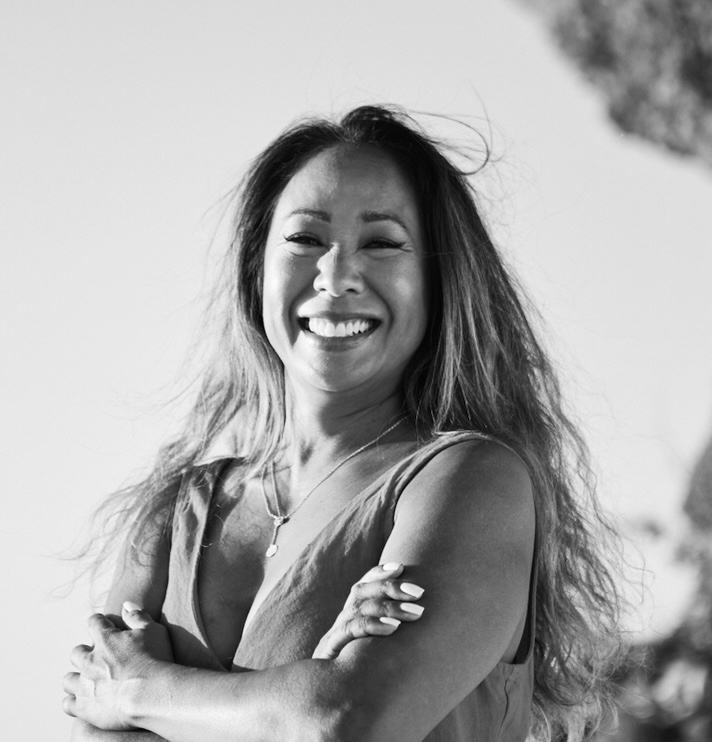
My experience has taken me through operations, finance, blockchain, DeFi, entrepreneurship, and building alongside master weavers in Rwanda. The industries changed, but the pattern did not: people were losing time, clarity, and opportunity because the systems around them were not working.
Earlier in my career, I simplified investment reporting across $18.8 billion in commercial real estate assets under management and led the entitlement process for a $400 million condo conversion portfolio. In 2012, after seeing a better and more ethical way was needed, I built a company that worked with 150 master weavers across Rwanda and eventually supplied major U.S. retailers.
Today, AI, automation, and software give me new ways to solve the same kinds of problems. The mission stayed the same: remove friction, create clarity, and build systems that give people more time for what matters most.
Freedom does not come from doing less meaningful work. It comes from creating systems that support the work without consuming your life.
I build systems all over the world. Not because travel is the brand, but because independence is. These are places where real work was built while I was living a real life. That is the kind of freedom I want better systems to create for other people too.
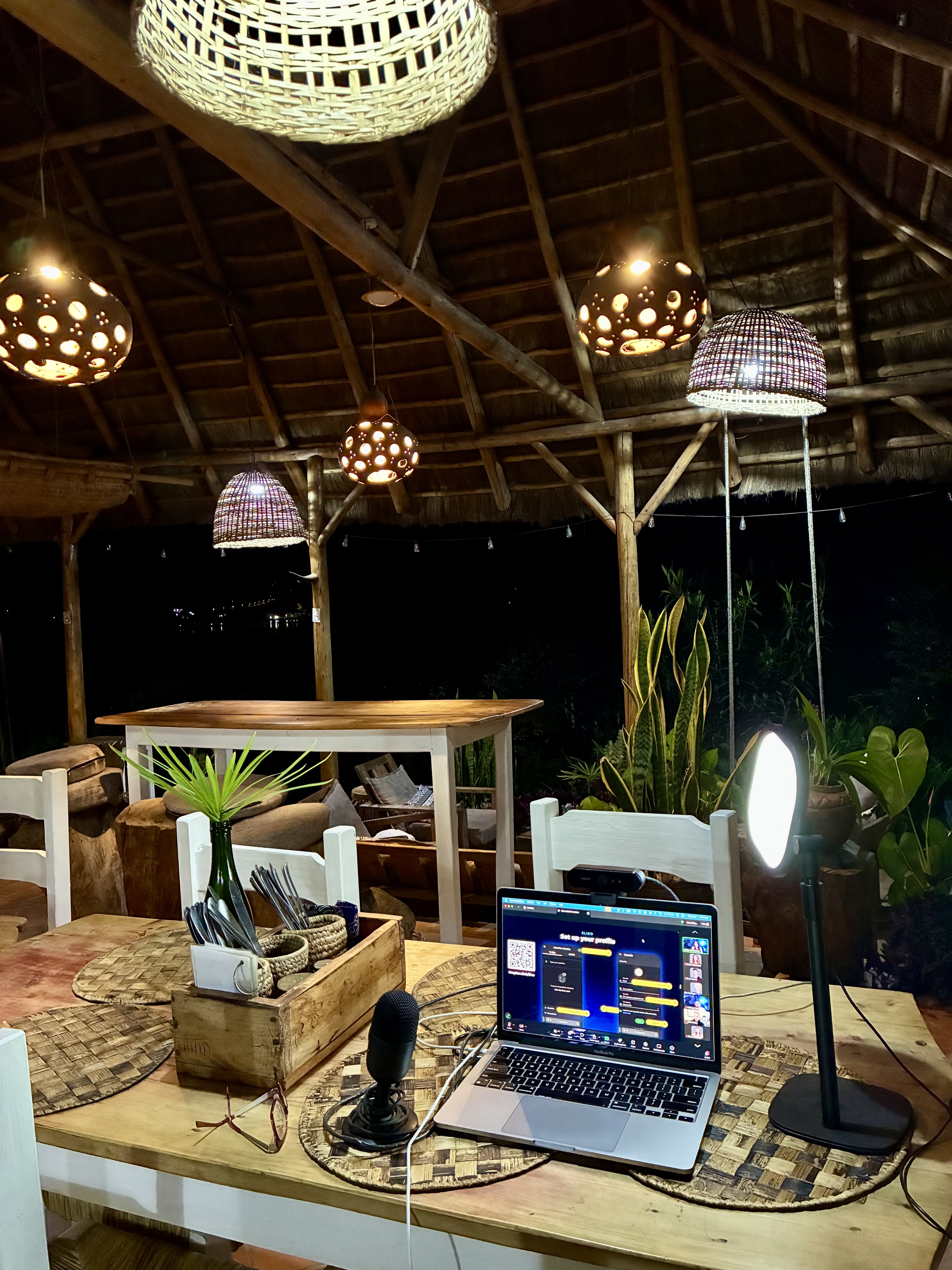
Built here. Kigali, Rwanda.

Built here. Santorini, Greece.
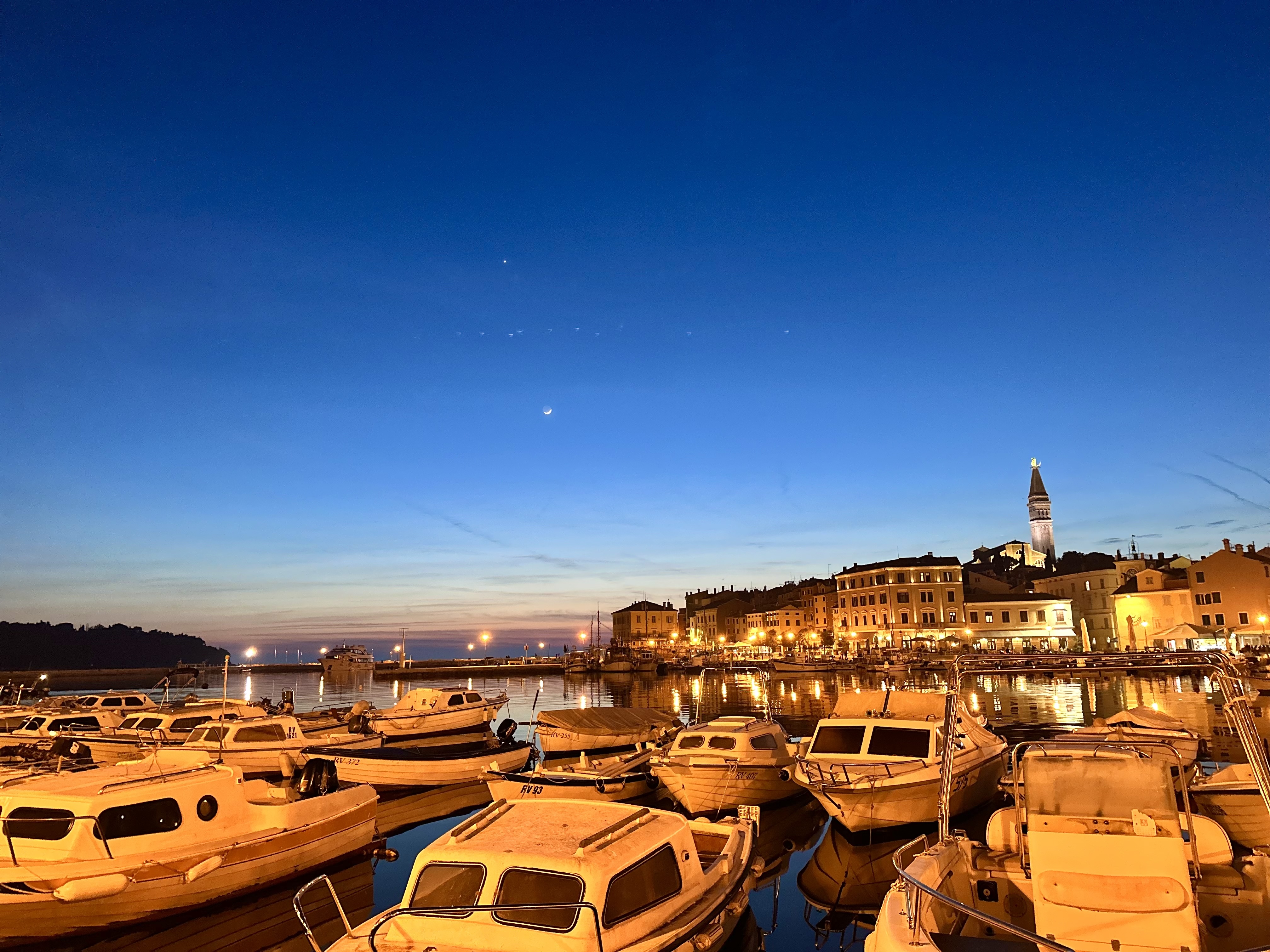
Built here. Rovinj, Croatia.
Show me the bottleneck, the spreadsheet, the workflow, or the idea that keeps you working harder than you should. I’ll help you replace it with something clear, reliable, and finally off your plate.